
Starting an online business has become more accessible as consumers increasingly discover, compare, and purchase products through digital channels. An online store can begin with a small product range and gradually expand as customer demand becomes clearer. The most successful ventures are not necessarily those with the largest catalogs; they are often businesses that solve a specific problem for a clearly defined audience. Entrepreneurs can choose between physical products, digital goods, subscription services, customized merchandise, or specialized marketplaces. Before investing heavily, it is useful to study customer needs, competitors, pricing, delivery expectations, and potential profit margins. A focused concept can make marketing easier because the business has a recognizable identity. With careful planning, consistent customer service, and reliable fulfillment, a small online operation can develop into a sustainable commercial brand.
Promising E-Commerce Business Ideas to Explore
The best opportunity depends on your skills, budget, interests, and understanding of a particular customer group. Instead of copying a popular store, consider finding an underserved niche where buyers have limited choices or poor shopping experiences. Personalized products, eco-conscious goods, hobby supplies, home accessories, specialty foods, educational resources, and professional tools can all create attractive opportunities when positioned correctly.
Some possibilities worth researching include:
- Personalized gifts and customized merchandise
- Sustainable household products
- Specialty fashion accessories
- Home organization products
- Pet accessories and supplies
- Digital templates and downloadable resources
- Hobby and craft kits
- Subscription-based product boxes
- Educational products for children
- Niche fitness and outdoor accessories
The important point is to validate demand before purchasing large quantities. Search behavior, competitor reviews, social discussions, and customer feedback can reveal what people actually want rather than what entrepreneurs assume they need.
Choosing a Profitable Product Niche
A strong niche combines customer demand with manageable competition and healthy margins. Products that are too generic can be difficult to differentiate, while extremely narrow products may have limited demand. Look for items that offer a clear benefit, create an emotional connection, or serve a recurring need. For example, instead of selling every type of home accessory, a store could focus specifically on compact organization products for apartment residents.
When evaluating an opportunity, consider product cost, packaging, shipping, returns, advertising expenses, payment fees, and expected selling price. A product that appears profitable at first may produce little actual income after operating costs. It is also useful to consider whether customers are likely to purchase again or recommend the product. Repeat purchasing can significantly improve the long-term economics of an online store.
Comparing Different Online Business Models
Not every online business requires inventory. Entrepreneurs can select a model that matches their available capital and operational abilities. Some models provide greater control over quality, while others reduce storage requirements or upfront investment.
| Business Model | Initial Investment | Inventory Need | Growth Potential |
|---|---|---|---|
| Private Label | Medium to High | Yes | High |
| Dropshipping | Low | Minimal | Medium |
| Print on Demand | Low | No | Medium |
| Digital Products | Low | No | High |
| Subscription Boxes | Medium | Yes | High |
| Handmade Products | Low to Medium | Yes | Medium |
Private-label businesses can build stronger brand recognition because products are developed around a specific identity. Dropshipping reduces inventory responsibilities but can create challenges involving supplier reliability and delivery times. Digital products offer attractive margins because additional copies can often be sold without manufacturing costs. The right choice depends on how much control, investment, and operational complexity the entrepreneur is prepared to manage.
Personalization Can Create a Strong Competitive Edge
Personalized commerce allows customers to purchase products that feel unique to them. Names, dates, photographs, messages, colors, and custom designs can transform ordinary merchandise into meaningful purchases. This approach works particularly well for gifts, celebrations, home décor, accessories, stationery, and apparel.
Customization also provides an opportunity to build a memorable brand rather than competing exclusively on price. A store can offer a limited range of products while differentiating itself through presentation, packaging, design quality, and customer experience. Entrepreneurs should establish a clear process for collecting customization details and confirming specifications before production. Errors can increase costs and create dissatisfaction, so accuracy is especially important in personalized commerce.
Building a Brand Customers Remember
A successful online store needs more than attractive products. Branding influences how customers perceive quality, reliability, and value. A consistent name, visual identity, packaging style, product photography, tone of communication, and customer service approach can make a small operation appear professional.
For example, a store associated with premium home products should maintain an appropriate visual and communication style across product pages and promotional material. Similarly, a playful children’s brand can use friendly language and engaging product presentation. Entrepreneurs should define their target customer before developing the brand because a message designed for everyone often feels relevant to no one.
A useful brand strategy answers three questions: Who is the customer? What problem does the business solve? Why should the customer choose this store instead of another option?
Technology Can Simplify Store Operations
Modern e-commerce platforms can handle many routine activities, including product management, payments, order processing, inventory monitoring, and customer notifications. Automation can reduce repetitive work and give entrepreneurs more time to concentrate on marketing, product development, and customer relationships.
Technology is particularly valuable as order volumes increase. Inventory alerts can help prevent unexpected shortages, while automated messages can keep customers informed about purchases and delivery progress. Analytics can reveal which products attract visitors, generate sales, or produce high return rates. Entrepreneurs should avoid adopting unnecessary tools simply because they are popular. Each system should solve a genuine business problem and contribute to smoother operations.
Businesses researching technology and online commerce can also examine industry-focused resources such as itsftasiatrading.com to understand how digital business concepts can intersect with broader commercial opportunities.
Marketing Strategies for New Online Stores
Even an excellent product can struggle if potential customers never discover it. A balanced marketing strategy can combine organic search, social media content, email campaigns, partnerships, customer referrals, and paid advertising. The ideal combination depends on the target audience and product category.
Content marketing can be particularly useful for building long-term visibility. A business selling home organization products, for instance, could publish practical guides, before-and-after examples, maintenance tips, and product comparisons. This type of content can attract people who are actively searching for solutions.
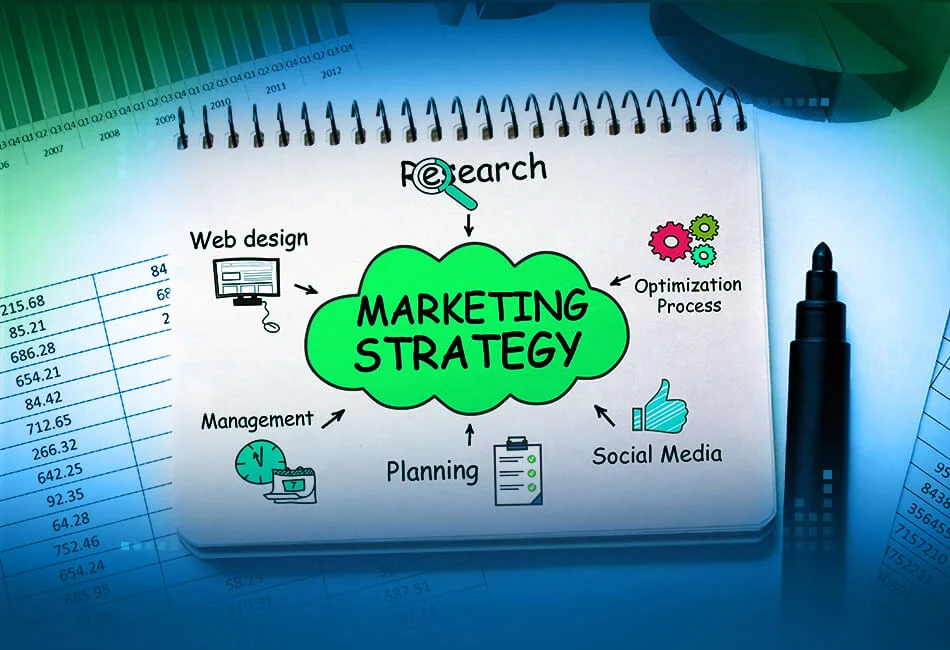
Social media can support product discovery through demonstrations, customer-generated content, short videos, and behind-the-scenes material. Email marketing becomes increasingly valuable once a store develops a customer database because previous buyers can be informed about new products, seasonal offers, and relevant recommendations.
Creating a Better Customer Experience
Customer experience can become one of the strongest competitive advantages for a small online business. Clear product descriptions, accurate photographs, transparent pricing, reliable delivery estimates, and straightforward return policies reduce uncertainty before purchase. After the sale, responsive communication helps customers feel supported.
Entrepreneurs should pay attention to reviews because recurring complaints can reveal weaknesses that sales figures alone may not show. Problems involving packaging, sizing, product instructions, delivery, or communication can often be addressed through relatively simple operational improvements.
A business that consistently keeps its promises can develop trust and repeat customers. In competitive markets, dependable service may matter just as much as having the lowest price.
Managing Costs Before Scaling
Rapid growth can create problems when operations are not prepared for increased demand. Before expanding advertising or product lines, calculate the actual cost of acquiring a customer and compare it with the profit generated by an order. Monitor shipping expenses, packaging costs, refunds, damaged products, transaction charges, and unsold inventory.
Entrepreneurs should also maintain a reasonable cash reserve. Suppliers may require payment before customers complete purchases, creating temporary cash-flow pressure. Starting with a manageable catalog can make inventory easier to control and reveal which products deserve additional investment.
Technology-focused entrepreneurs may find resources such as itstechguporg.com useful when exploring broader digital concepts connected with running and improving an online business.
Finding Opportunities Through Customer Problems
One of the most reliable ways to identify new product opportunities is to study customer frustrations. Reviews, discussion communities, product comparisons, and customer-service questions can reveal recurring problems. A new business can then design a product or service around improving that experience.
For instance, customers might complain that existing products are difficult to store, confusing to assemble, poorly packaged, or unavailable in suitable sizes. Each complaint represents potential research rather than guaranteed demand. Entrepreneurs should investigate whether enough people experience the same issue and whether they are willing to pay for a better solution.
This problem-first approach can produce more sustainable concepts than simply choosing a product because it happens to be trending.
Preparing for Long-Term Growth
A business should be designed with future expansion in mind, but growth should happen according to evidence rather than assumptions. Once one product category performs consistently, related products can be introduced to increase average order value. Bundles, complementary accessories, premium versions, and subscription options can provide additional revenue opportunities.
Entrepreneurs should also document important processes as the company grows. Clear procedures for purchasing, quality checks, fulfillment, returns, customer support, and marketing make it easier to delegate responsibilities later. A business that depends entirely on one person’s memory can become difficult to scale.
Market-focused platforms such as itssinknewscom.com can also provide inspiration for observing changing consumer interests and identifying broader commercial trends worth researching.
Common Mistakes New Entrepreneurs Should Avoid
Many online stores fail to reach their potential because of avoidable planning mistakes rather than a lack of opportunity. Entrepreneurs should avoid launching too many products before understanding their audience, relying exclusively on one marketing channel, ignoring product reviews, or competing only by lowering prices.
Other frequent mistakes include:
- Ordering excessive inventory too early
- Using unclear product descriptions
- Underestimating shipping and return costs
- Neglecting mobile shopping experiences
- Failing to track profitability
- Copying competitors without developing differentiation
Learning from early mistakes is part of entrepreneurship, but careful testing can reduce unnecessary losses. Small experiments allow businesses to gather evidence before committing substantial resources.
Conclusion
Building a successful online store starts with a useful idea, but long-term performance depends on execution. Entrepreneurs need to understand their customers, select products carefully, manage costs, create a recognizable brand, and continually improve the buying experience. Whether the business focuses on customized merchandise, digital products, subscription services, specialty goods, or a carefully selected physical product range, the fundamentals remain similar.
The strongest opportunities are usually those supported by genuine customer demand rather than temporary excitement. Begin with a focused concept, test it with a manageable investment, study customer reactions, and improve the offer based on real evidence. With disciplined planning, effective marketing, dependable fulfillment, and a willingness to adapt, an online store can move from a small experiment toward a durable and scalable business.